The Midnight Board Call That Ended a Founder's Dream

What Really Happened — The Mechanics Behind the Story
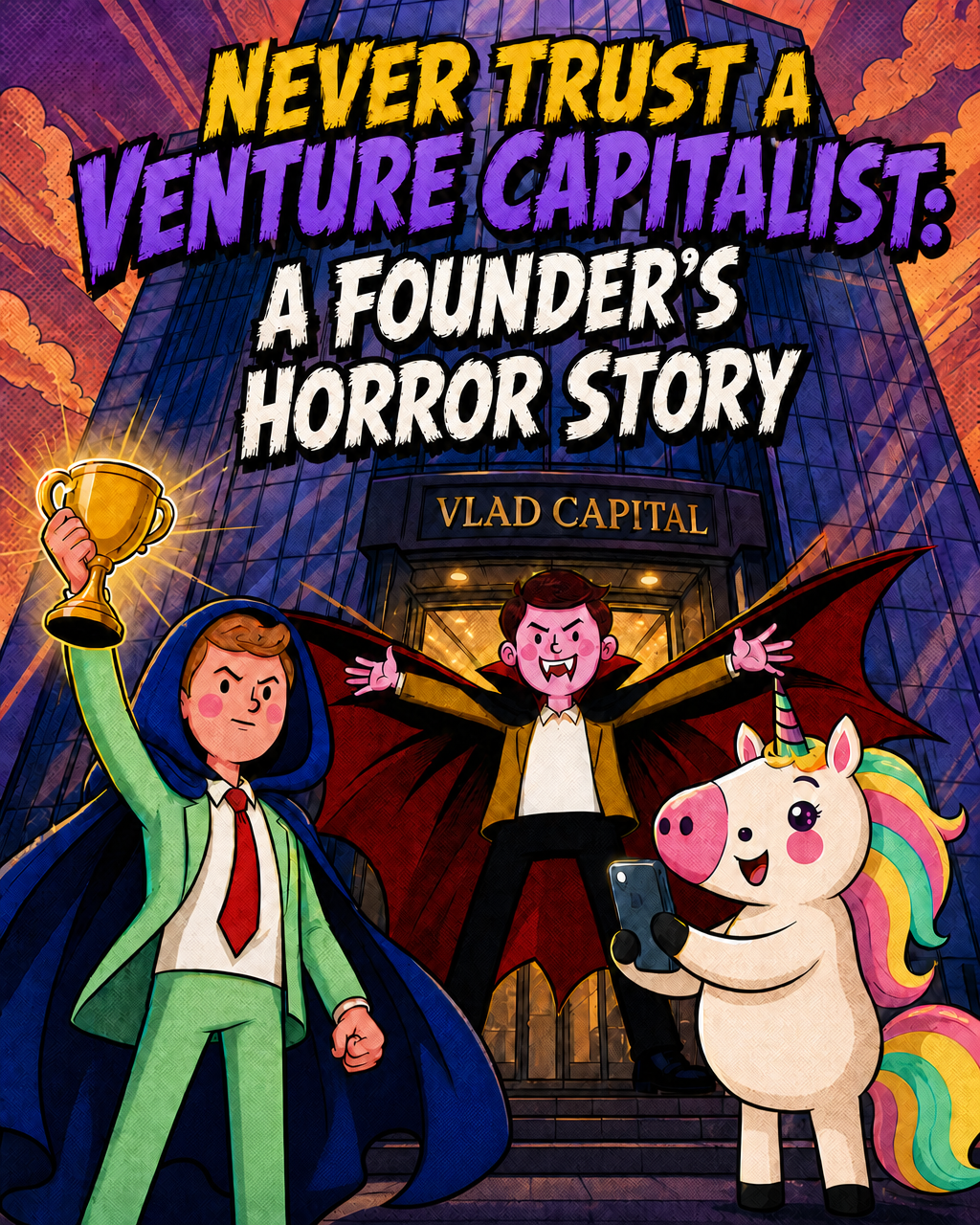
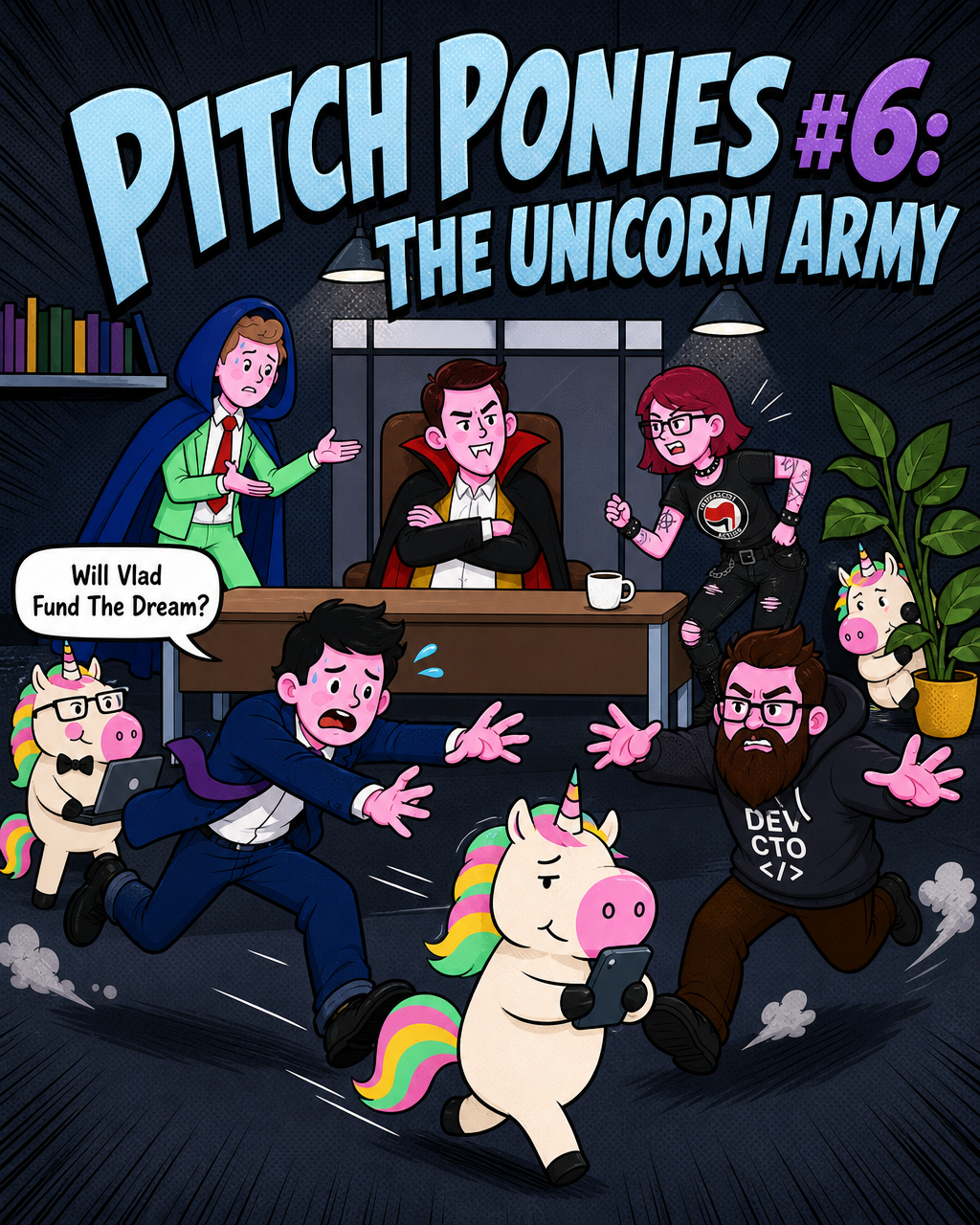
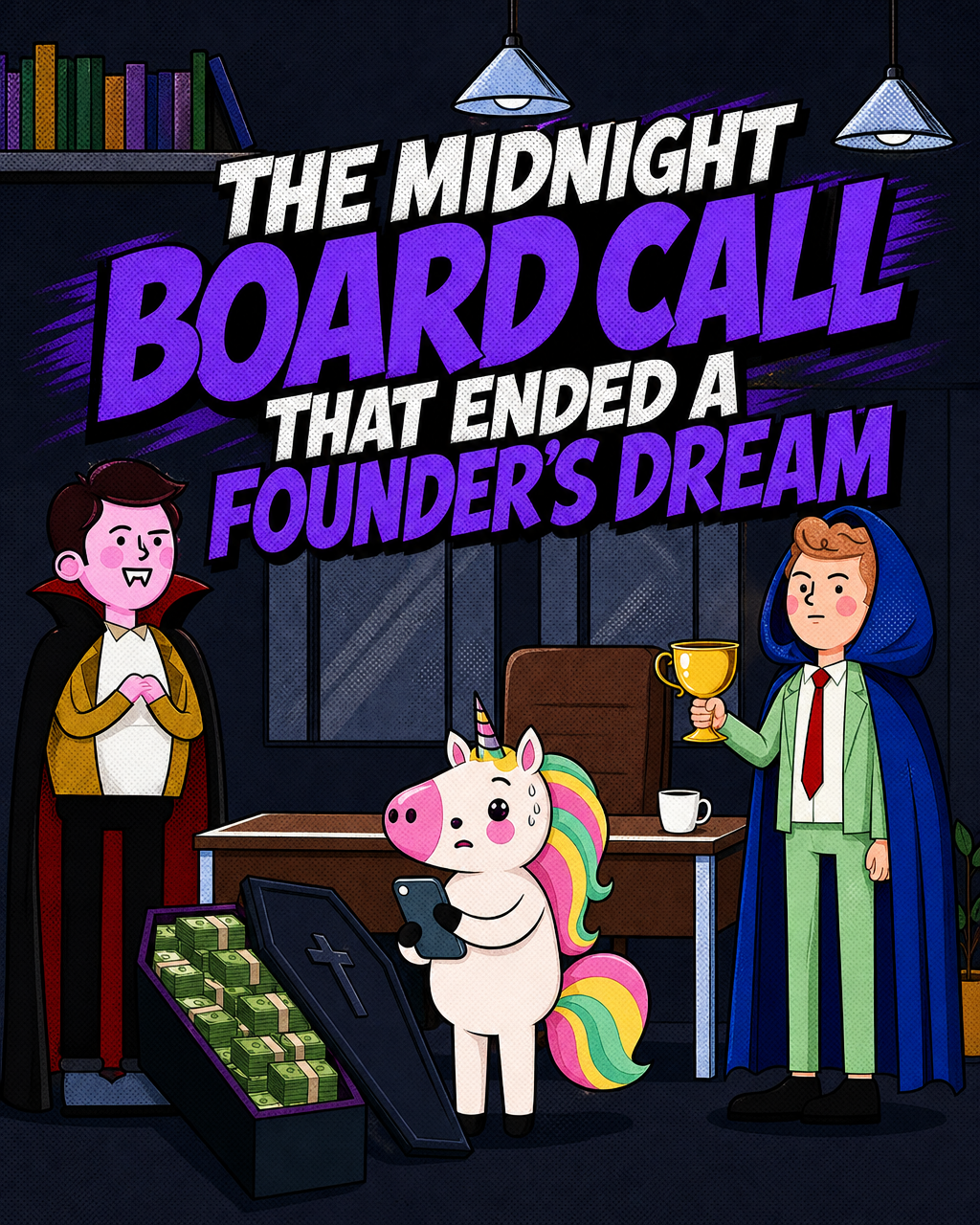
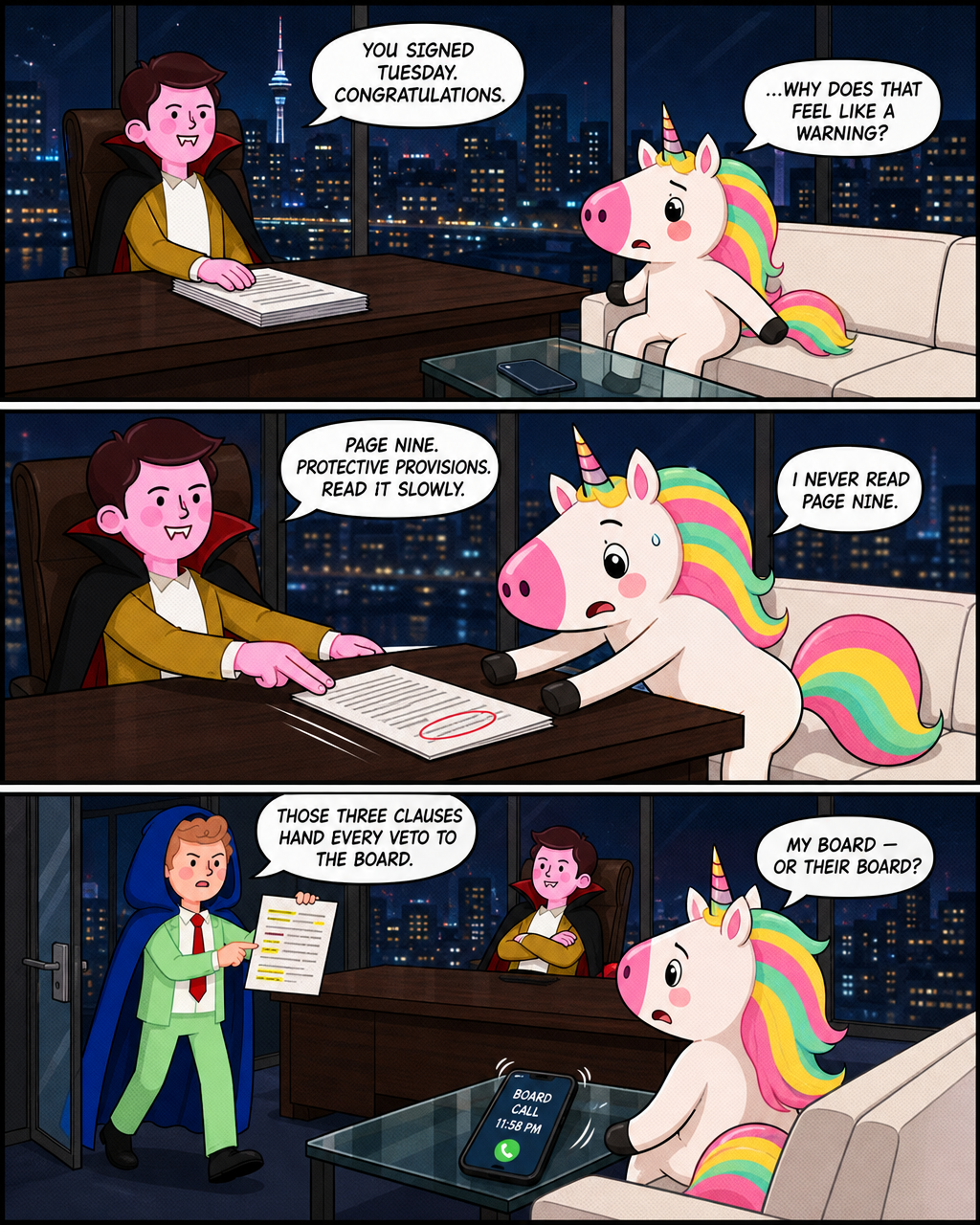
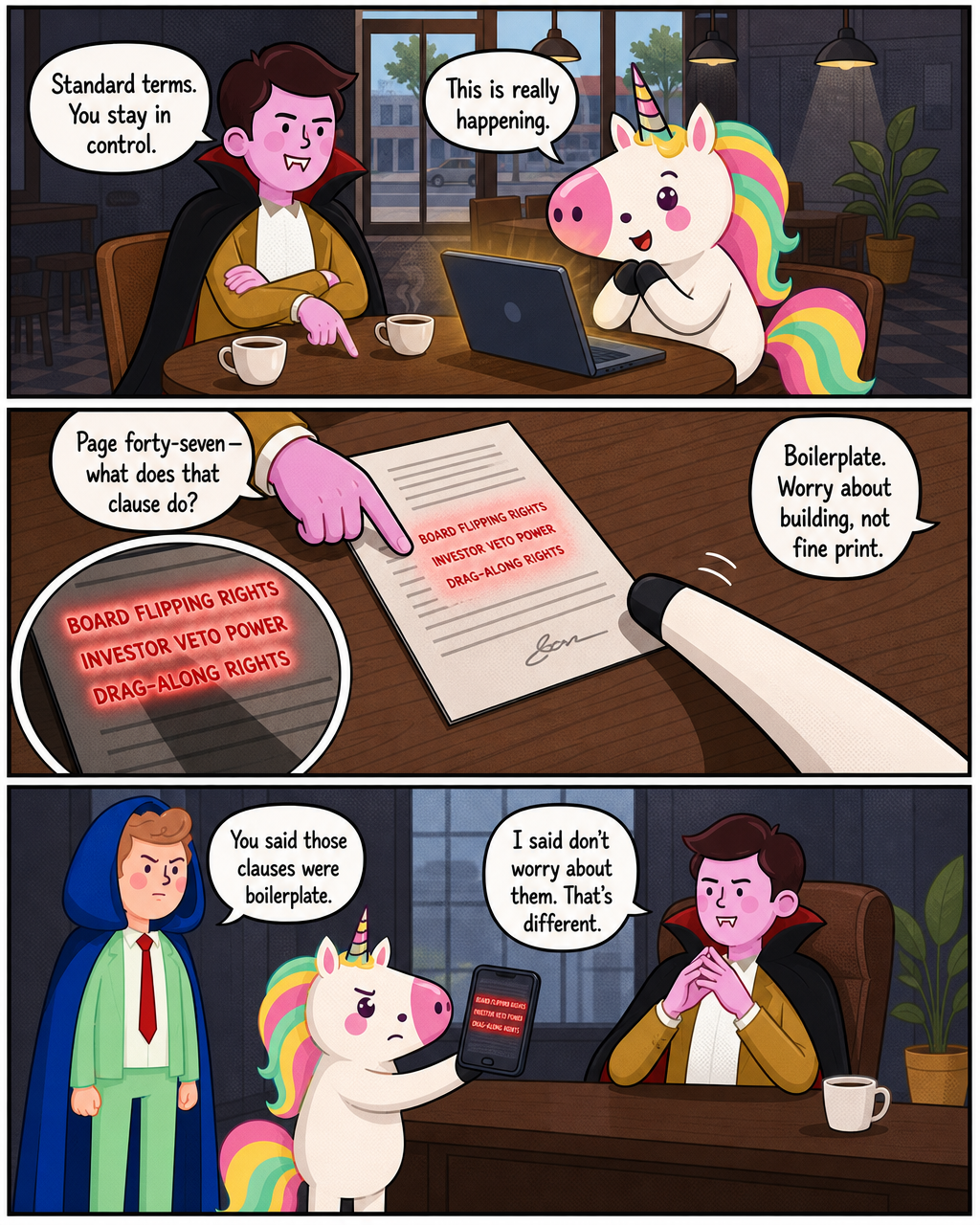
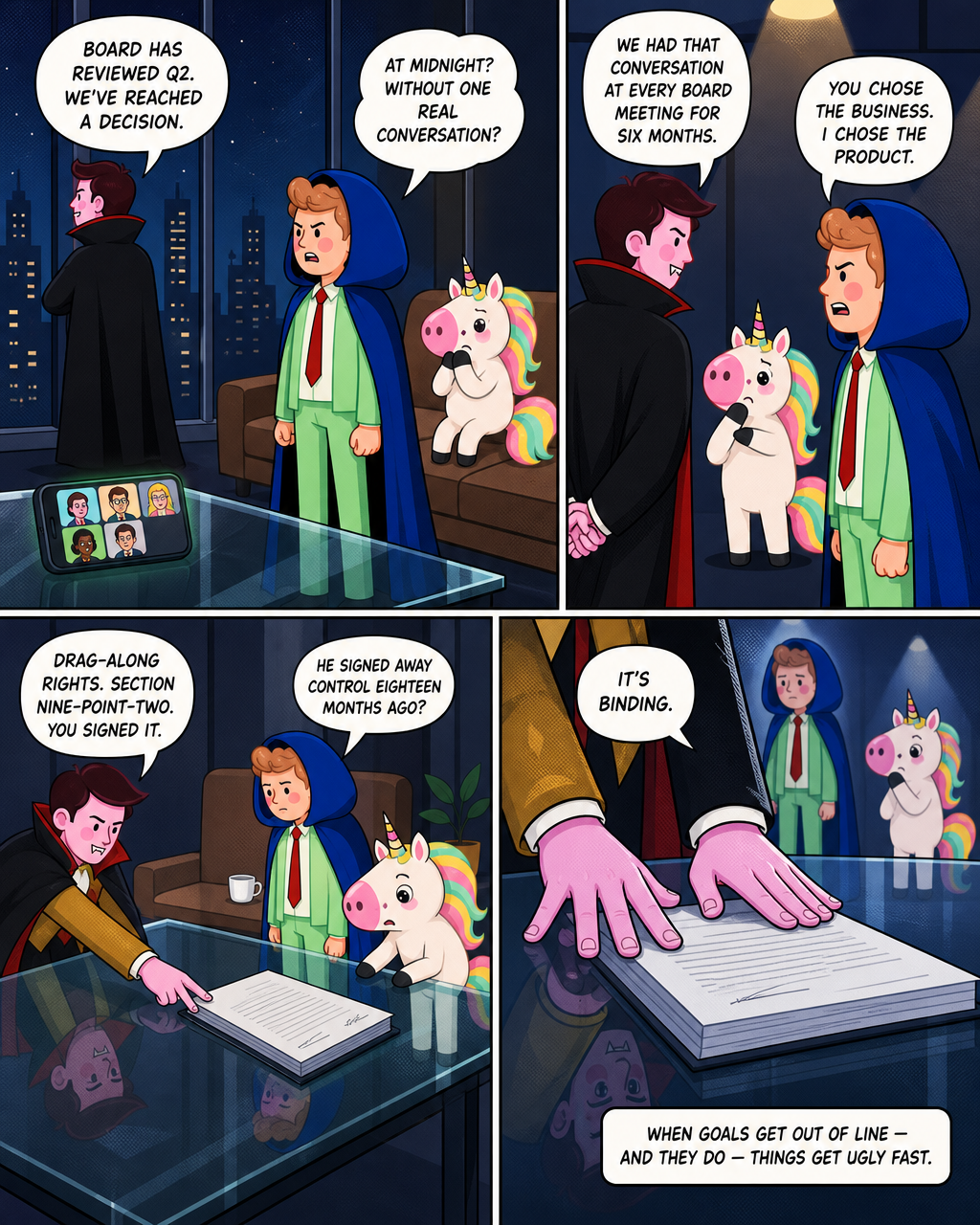
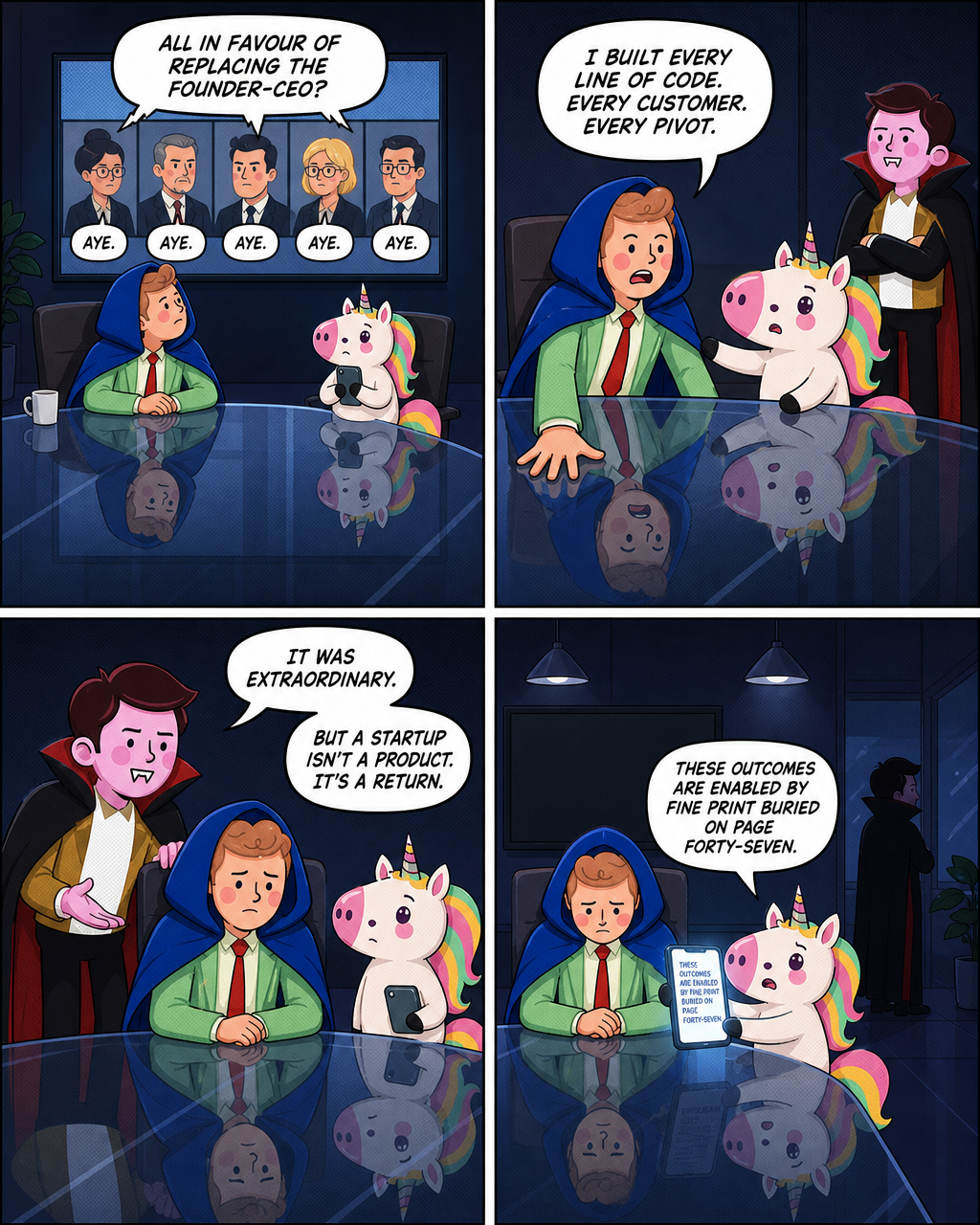
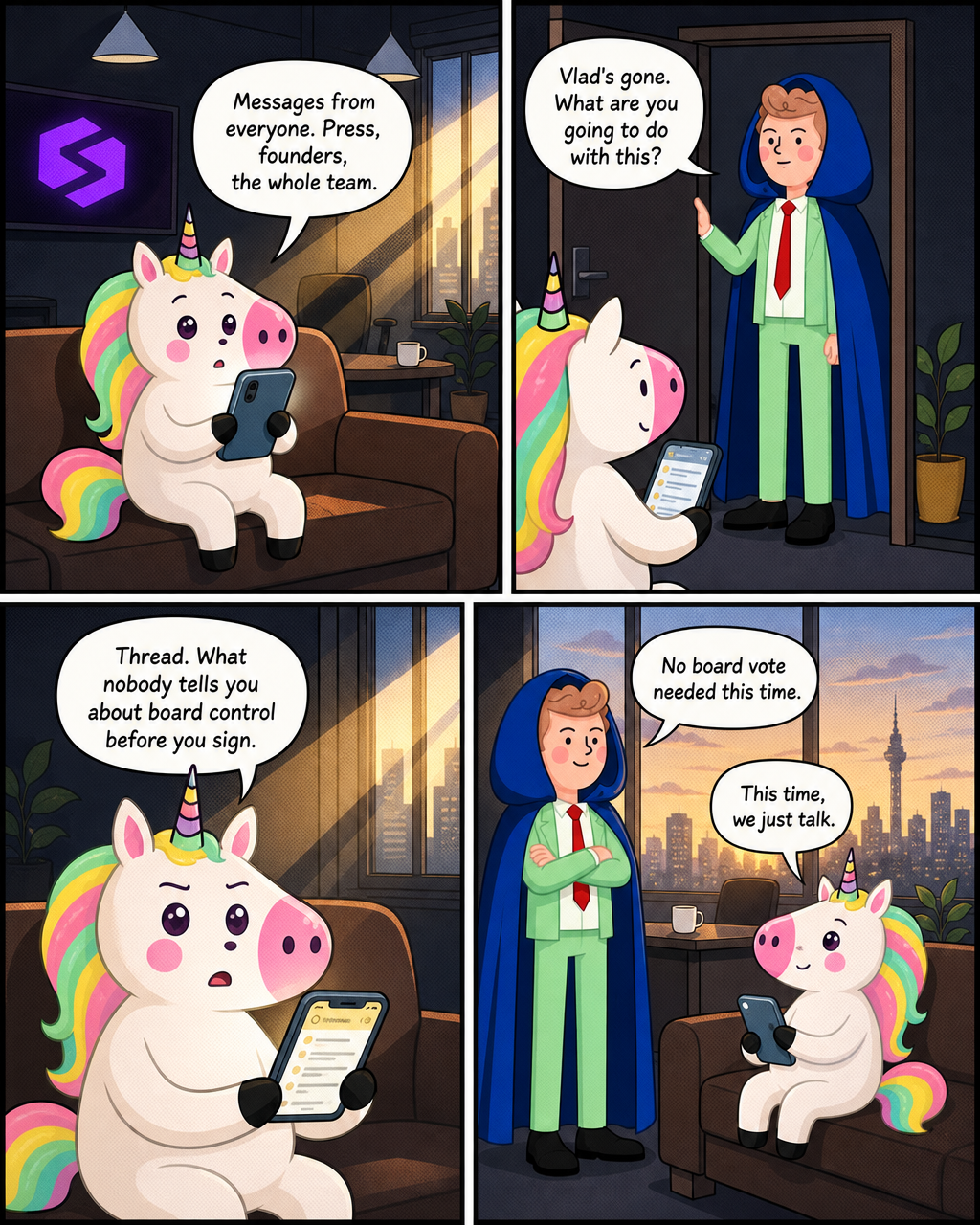
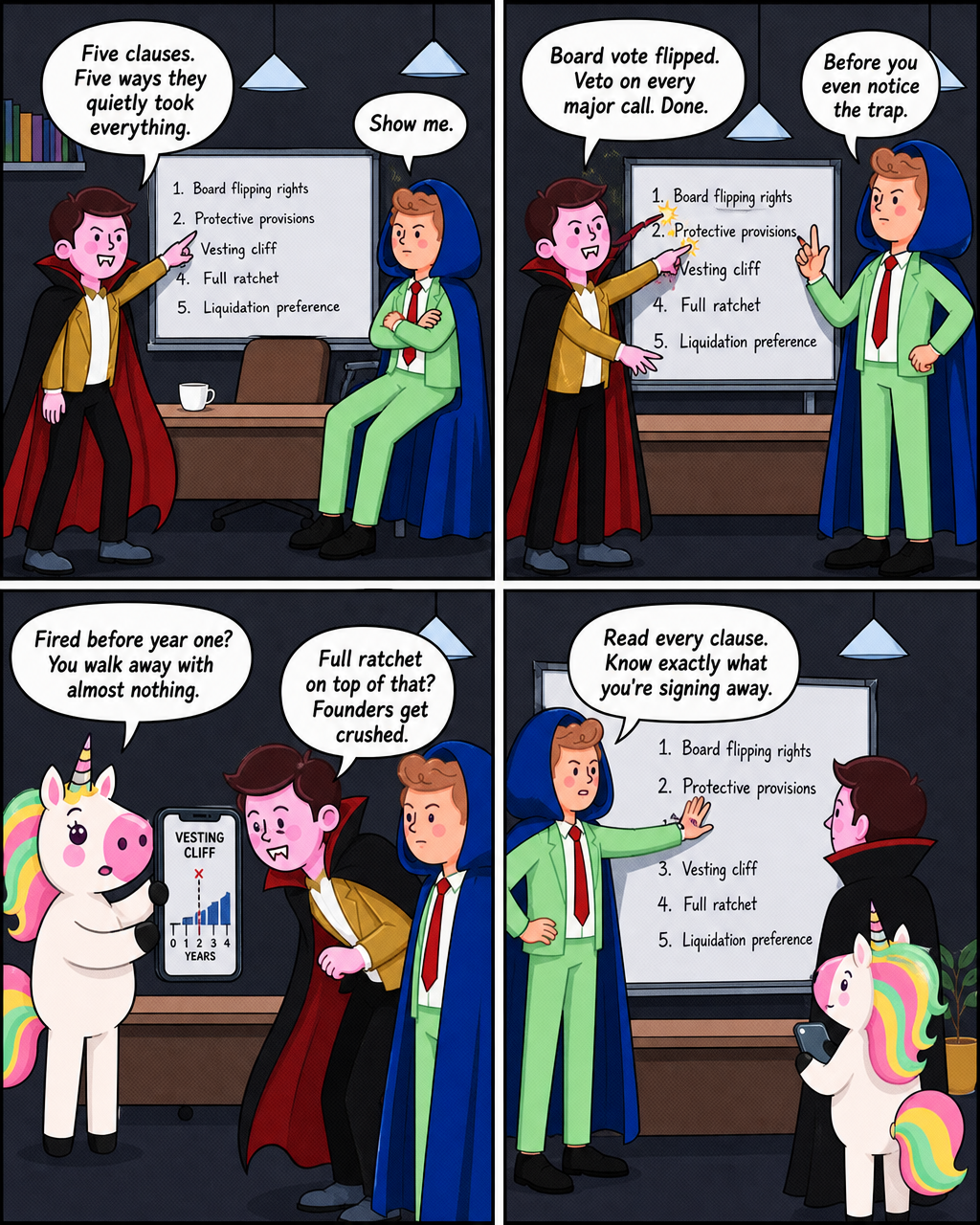
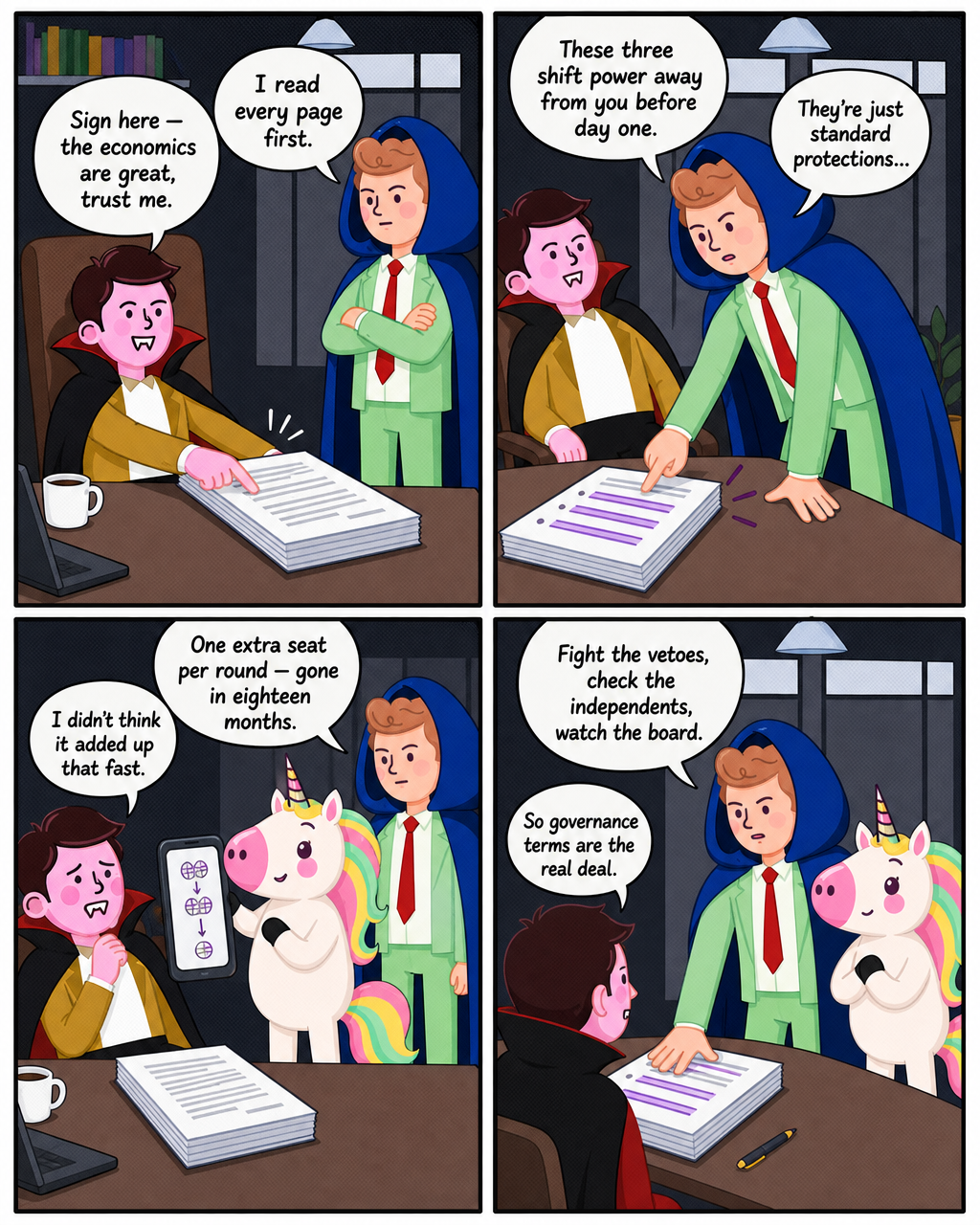
The storyboard above is fictional. The clauses aren't.
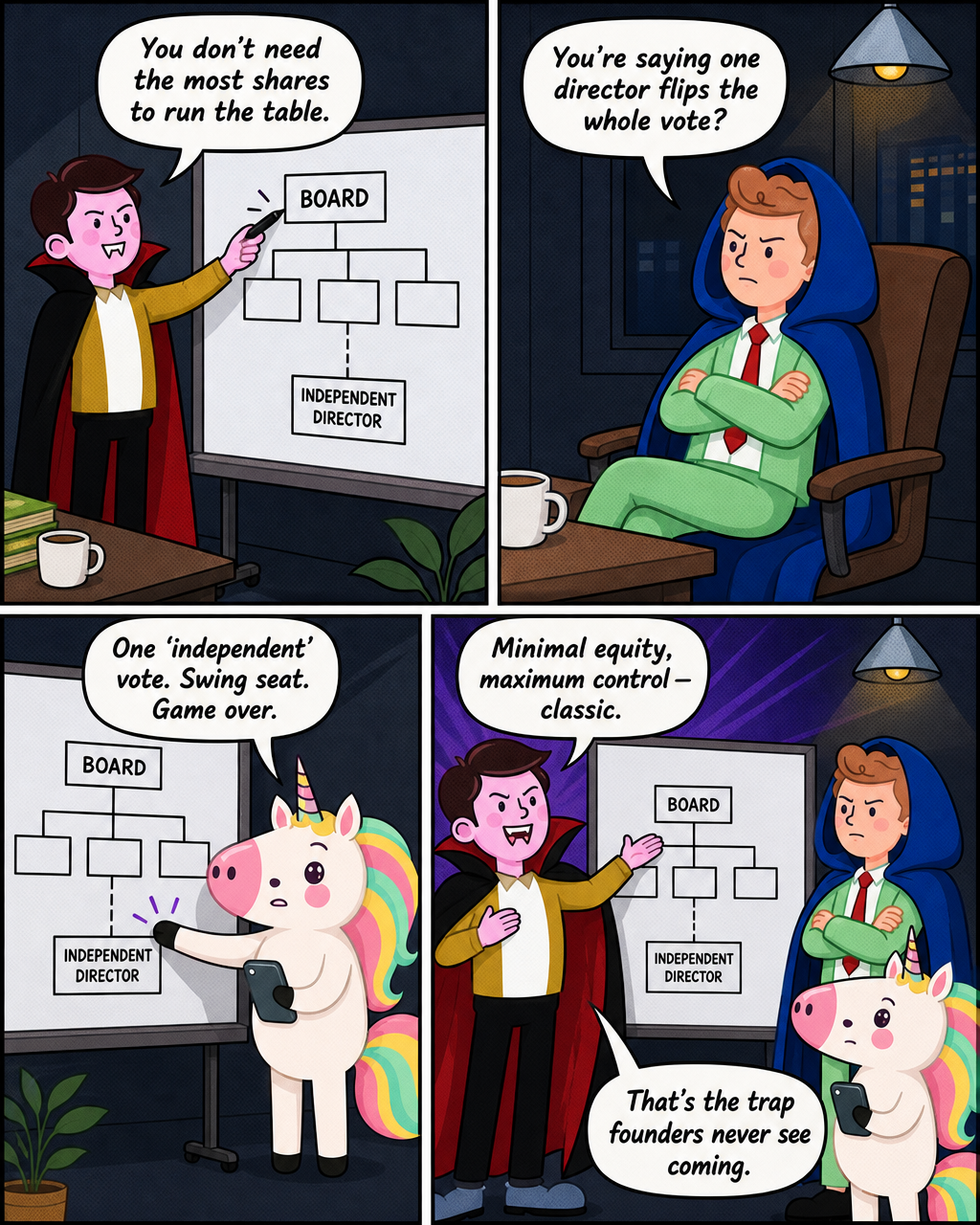
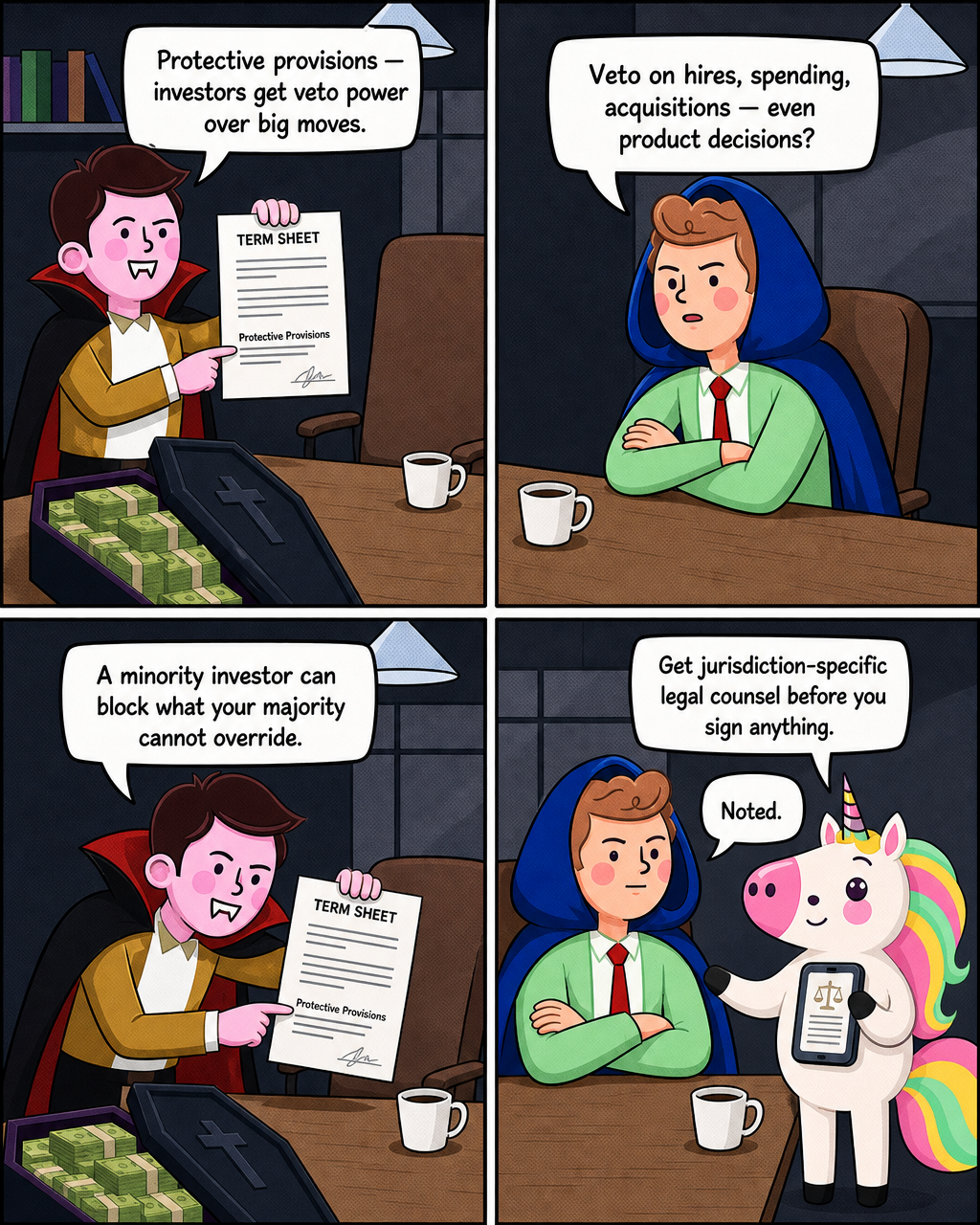
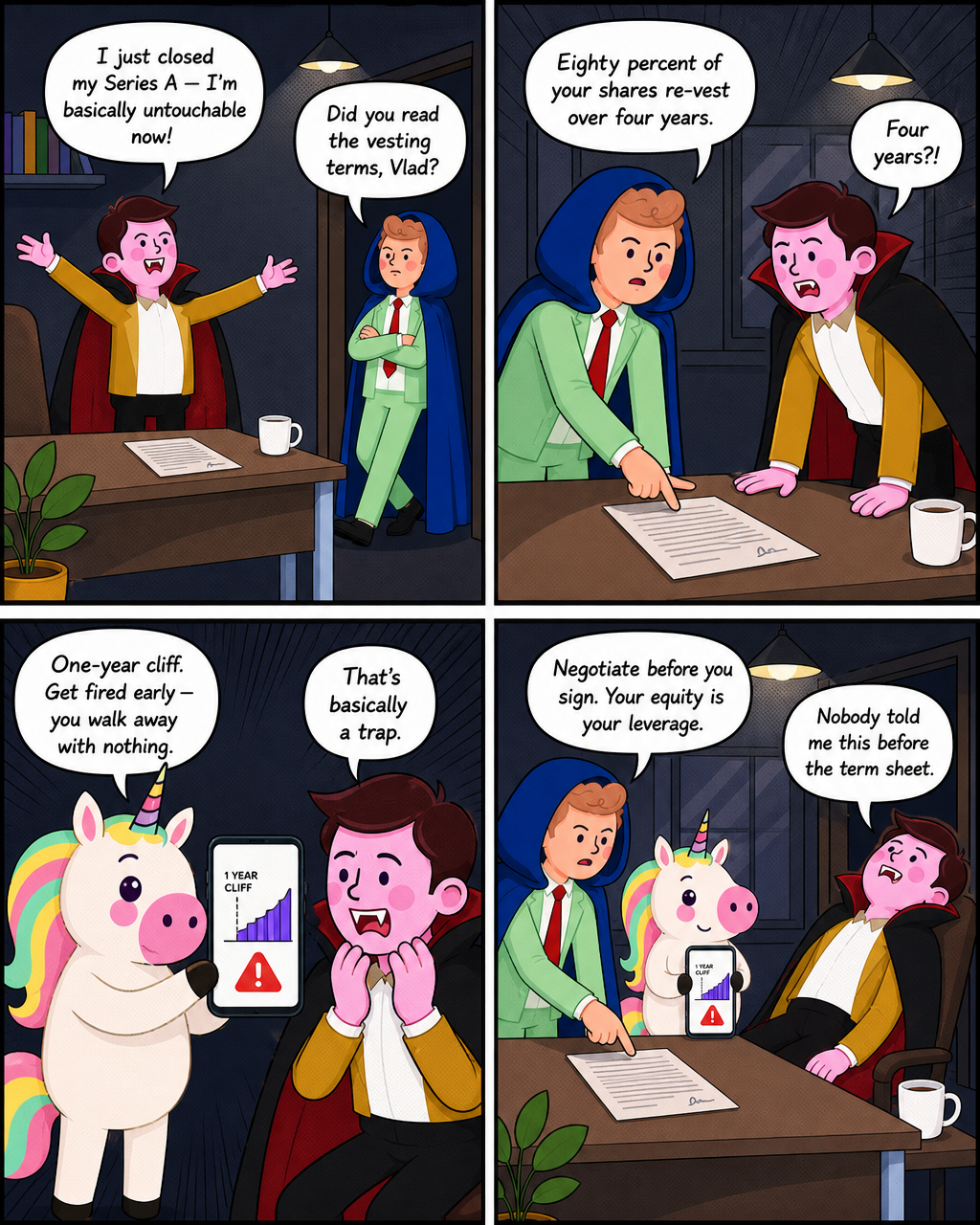
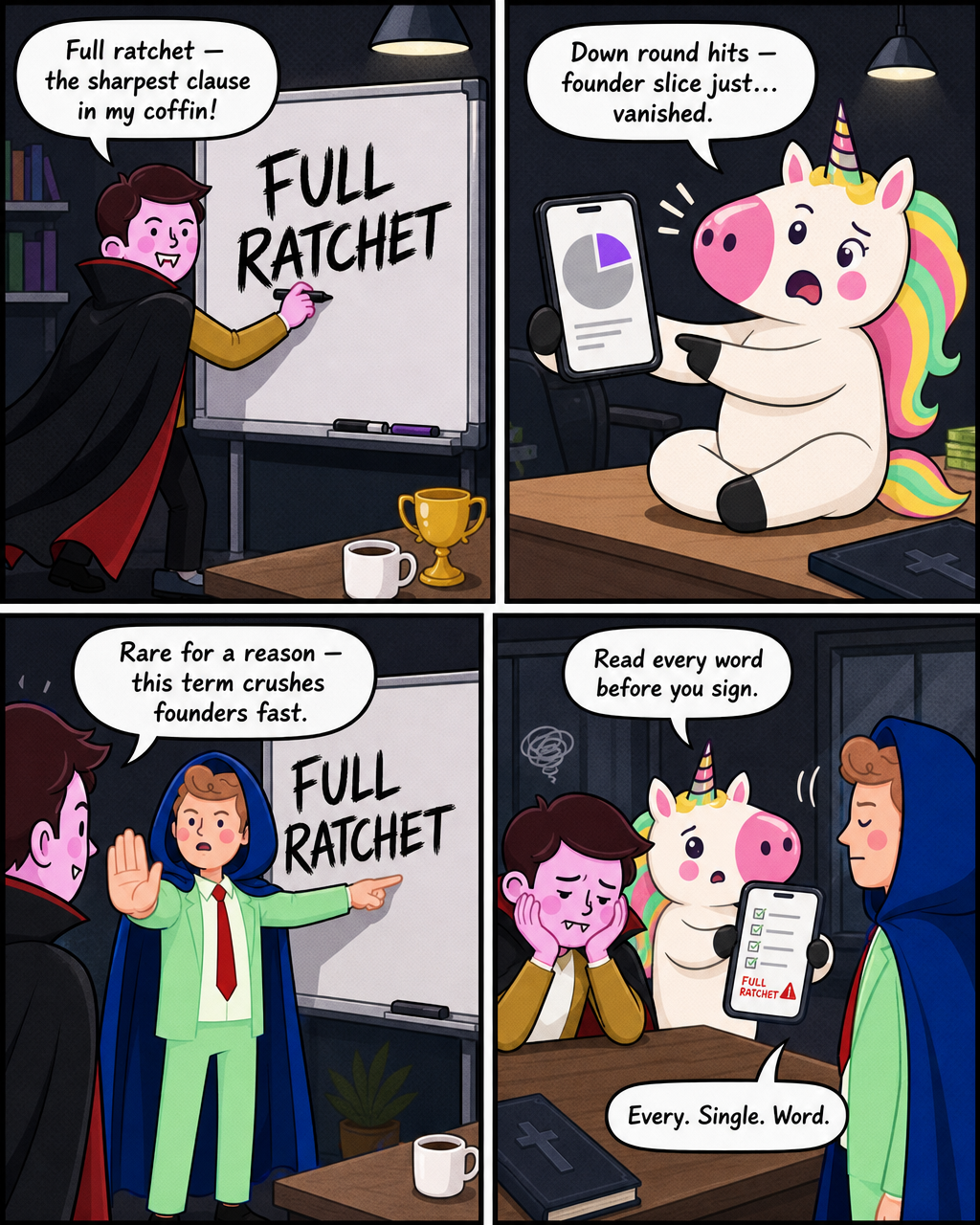
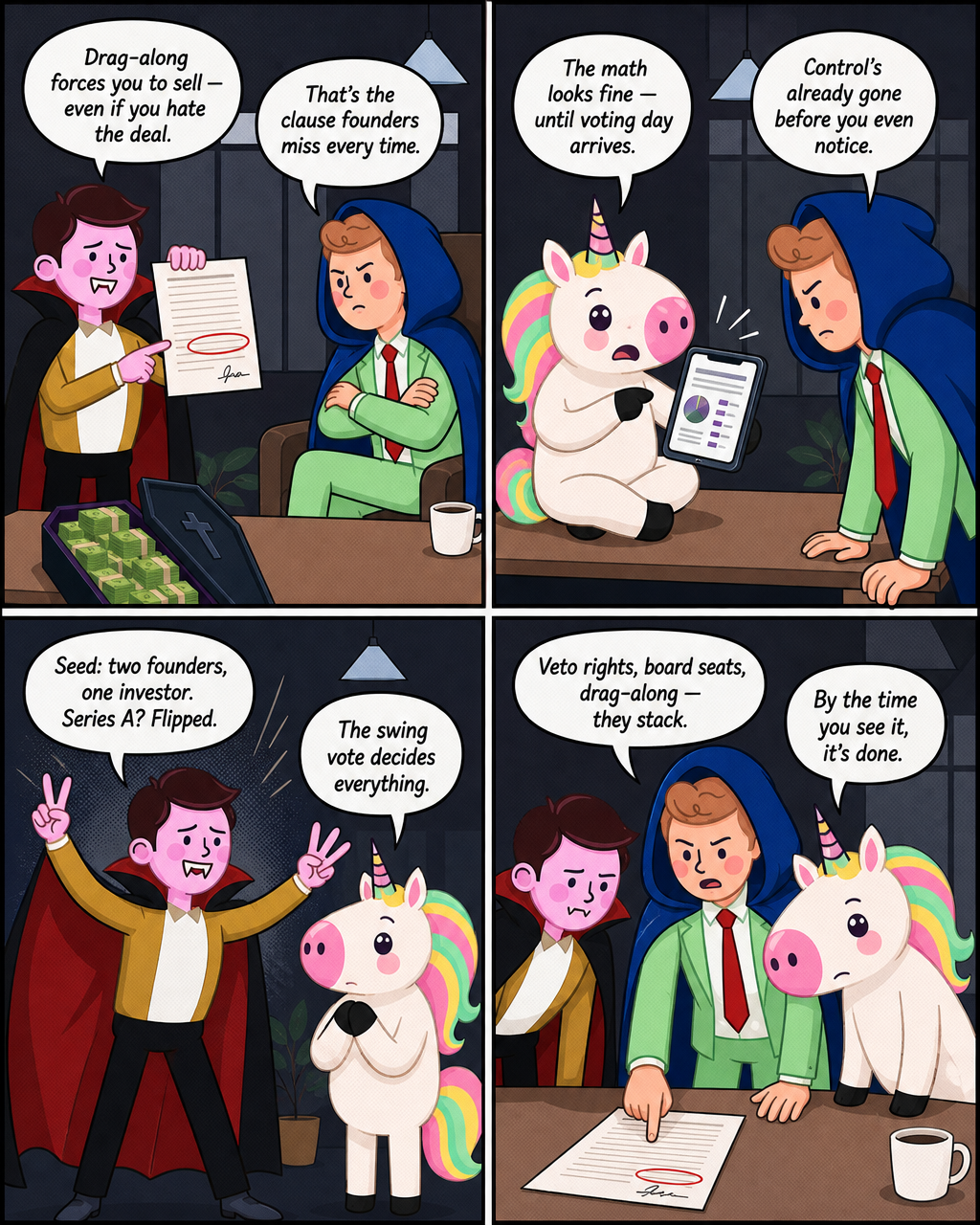
**The five mechanisms that quietly transfer founder control:** 1. **Board flipping rights.** Investors can secure decisive board authority through voting rights, even with minimal equity ownership. One investor-aligned "independent" director is all it takes to flip the swing vote. 2. **Protective provisions.** These give investors veto power over acquisitions, major hires, spending, and product decisions. Depending on the jurisdiction and the specific terms negotiated, an investor with strong protective provisions can block major decisions that a majority shareholder cannot override — founders should seek legal counsel specific to their incorporation jurisdiction to understand exactly how these provisions apply. 3. **Founder vesting re-start.** Most institutional VCs require 50–80% of founder shares to re-vest over four years, with a one-year cliff. Get fired before year one, and you may walk away with almost nothing. 4. **Anti-dilution with full ratchet.** Full ratchet anti-dilution is rare in standard institutional VC deals and is generally considered highly founder-unfavourable: in a down round, it resets investor share prices to the new lower valuation, significantly compressing founder ownership. It does appear in some seed and bridge rounds, and founders should understand the dilutive impact before accepting this term. 5. **Drag-along rights.** These force you to sell your shares alongside the majority investor, even if you disagree with the timing, price, or buyer. They prevent minority shareholders from blocking a sale the board has already approved.The real danger isn't any single clause. It's the combination. The math on the cap table looks fine — but control disappears when decisions go to a vote. These tactics are frequently used together, giving investors veto rights, voting majorities, and board power that strip real control from the founder.
By the time a founder realises what's happened, the board composition has already shifted. At the seed stage, boards are often two founder reps and one investor. By Series A and B, the balance typically shifts to one founder, two investors, and an independent. What matters isn't just the headcount — it's the swing vote.
And equity ownership doesn't protect you the way you think it does. Carta publishes annual equity and ownership reports tracking founder dilution across funding stages, and the consistent finding across multiple years of data is that founding team ownership compresses significantly at each round — from seed through Series A and beyond. The precise figures vary by cohort and year; founders should consult the most current Carta State of Private Markets report for up-to-date benchmarks relevant to their stage and sector.
The Psychological Toll Nobody Talks About
The storyboard dramatises a board vote. What it can't fully capture is what happens between rounds.
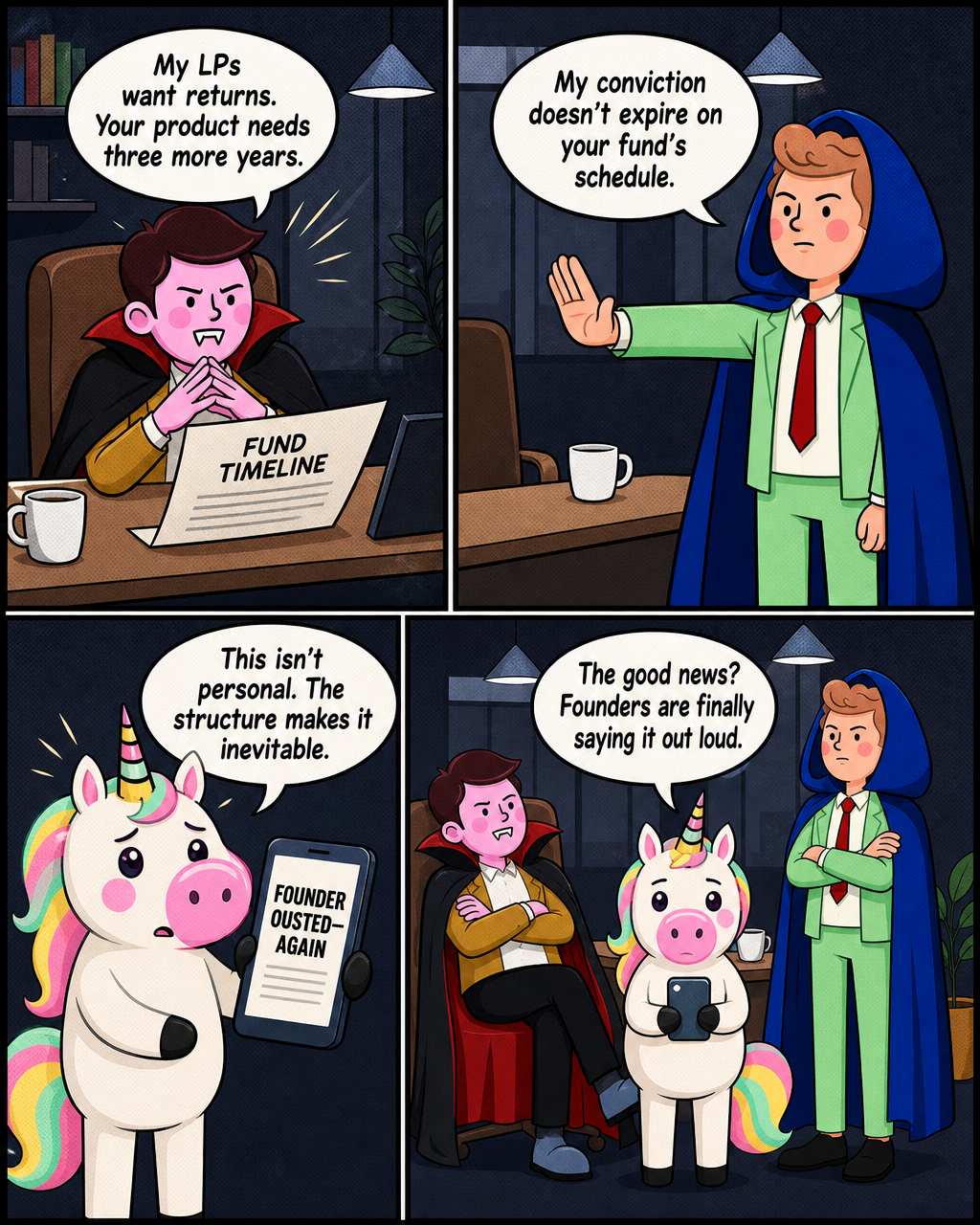
Defending your product conviction to a board that is tracking an LP return clock is a particular kind of exhaustion. The goals of founders and their investors don't always align. VCs aspire to return 3x their fund for their LPs, but what founders want is less straightforward and can change over time. When these goals get out of line — and they do — things can get ugly fast.
The tension is structural, not personal. A VC's fund has a lifespan. Your product conviction doesn't. Those two timelines were always going to collide.
What's changed recently is that founders are saying this out loud. The relationship between founders and VCs is evolving. The era of blind trust and unchecked power dynamics may be coming to an end, replaced by a more cautious, transparent approach to startup funding and governance.
The Bench Accounting shutdown in late 2024 brought these dynamics into public view. Reports at the time indicated that at least one co-founder spoke publicly about the experience of being removed from a company they had helped build — a reminder that founder ousters are not uncommon, even at well-funded startups. (Readers seeking the specific statements should refer to contemporaneous reporting from that period.)
Sam Altman's brief OpenAI ouster in late 2023 made the same point at a different altitude. The unusual corporate structure of OpenAI — a nonprofit board overseeing a capped-profit entity — was a key factor in Altman's surprise ouster, though board concerns about his conduct were also widely reported as contributing to the decision. Altman said he felt "super caught off guard" the night the board voted. Even the most prominent AI company in the world wasn't immune to the fundamental tension between founder vision and board governance.
What Founders Should Actually Read Before They Sign
This isn't an argument against taking VC money. It's an argument for reading every page before you take it.
Investor protections in a term sheet aren't theoretical safeguards — they shift decision-making power away from founders. The three protections investors push hardest for are voting rights tied to board seats, anti-dilution clauses that adjust share prices downward, and information rights that let them monitor your business continuously.
The economics of a term sheet may determine who gets how much, but the governance terms decide who gets to decide. Board rights, protective provisions, and observer roles shape the power dynamics long before an exit. Founders and investors alike must treat these clauses as central, not secondary.
Three things worth fighting for before you sign:
Limit the scope of protective provisions. The problem arises when protective provisions balloon to cover hiring, pricing, or product decisions. Overreaching vetoes stall execution and block agility. Founders should negotiate for materiality thresholds and limit vetoes to existential business shifts.
Scrutinise who the independent director actually is. Independent directors must be truly neutral — no prior consulting ties, no significant equity. Anything else creates covert influence. Investor-led "independents" who lean toward one side undermine board integrity.
Watch the board composition at each round. Even giving up one too many board seats can result in long-term loss of strategic control. The foal in the story didn't lose control on the night of the call. It lost control eighteen months earlier, one clause at a time.
A Different Kind of Engine
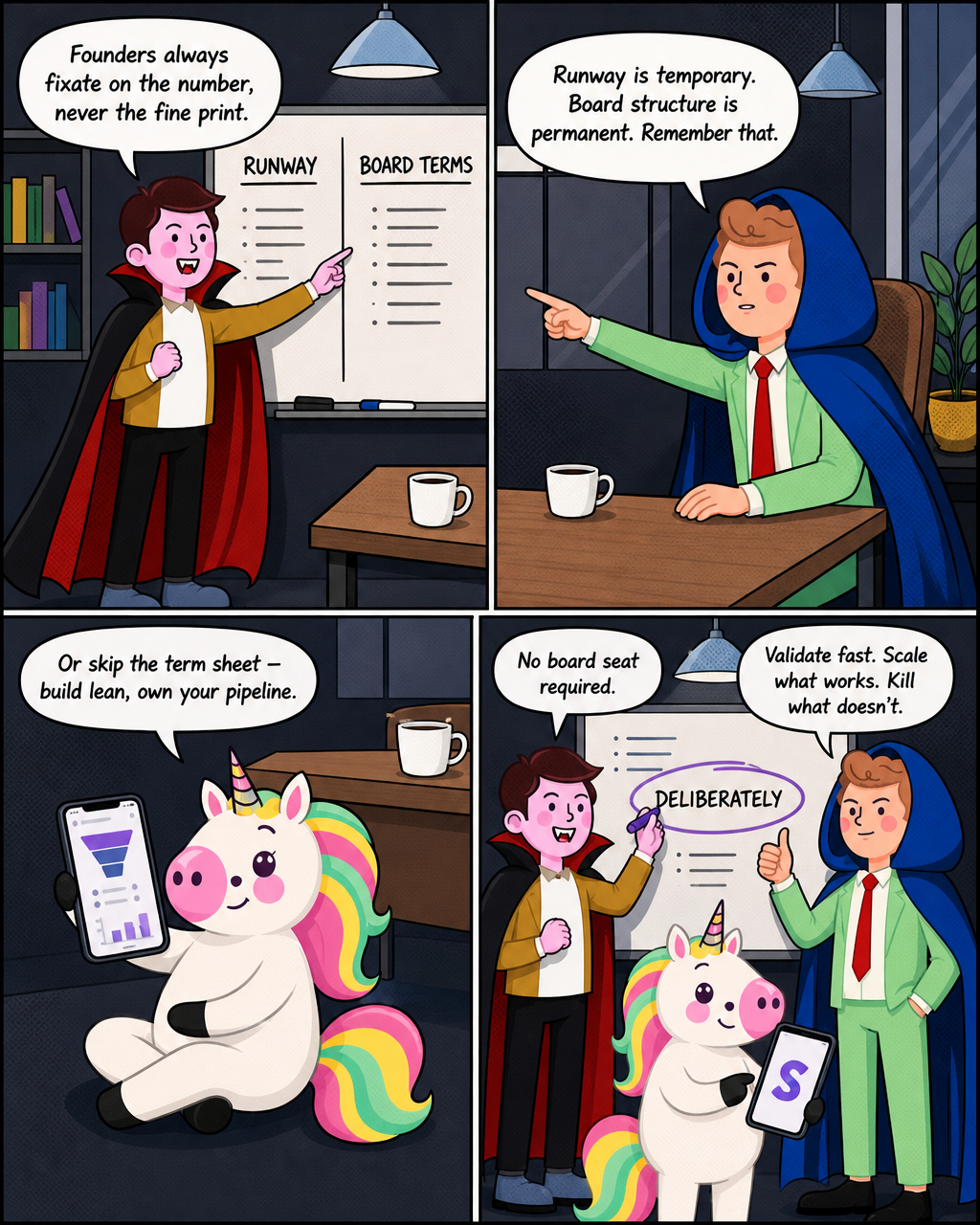
The midnight board call is a story about leverage. Specifically, about what happens when founders give up leverage before they understand what they're trading.
One of the most consistent things we hear from early-stage founders in the Supramono community is that the pressure to raise — and raise fast — pushes them past the fine print. The need for capital becomes so urgent that governance terms feel abstract compared to the runway number.
But the runway number is temporary. The board structure is permanent.
If you're building a venture right now and you're not yet at the point where you need institutional capital to survive, that's worth considering. Not every path to revenue runs through a VC term sheet. Some paths run through a leaner build, a tighter ICP, and a pipeline you control. That said, VC can be the right tool for the right business at the right stage — the point is to make that choice deliberately, not by default.
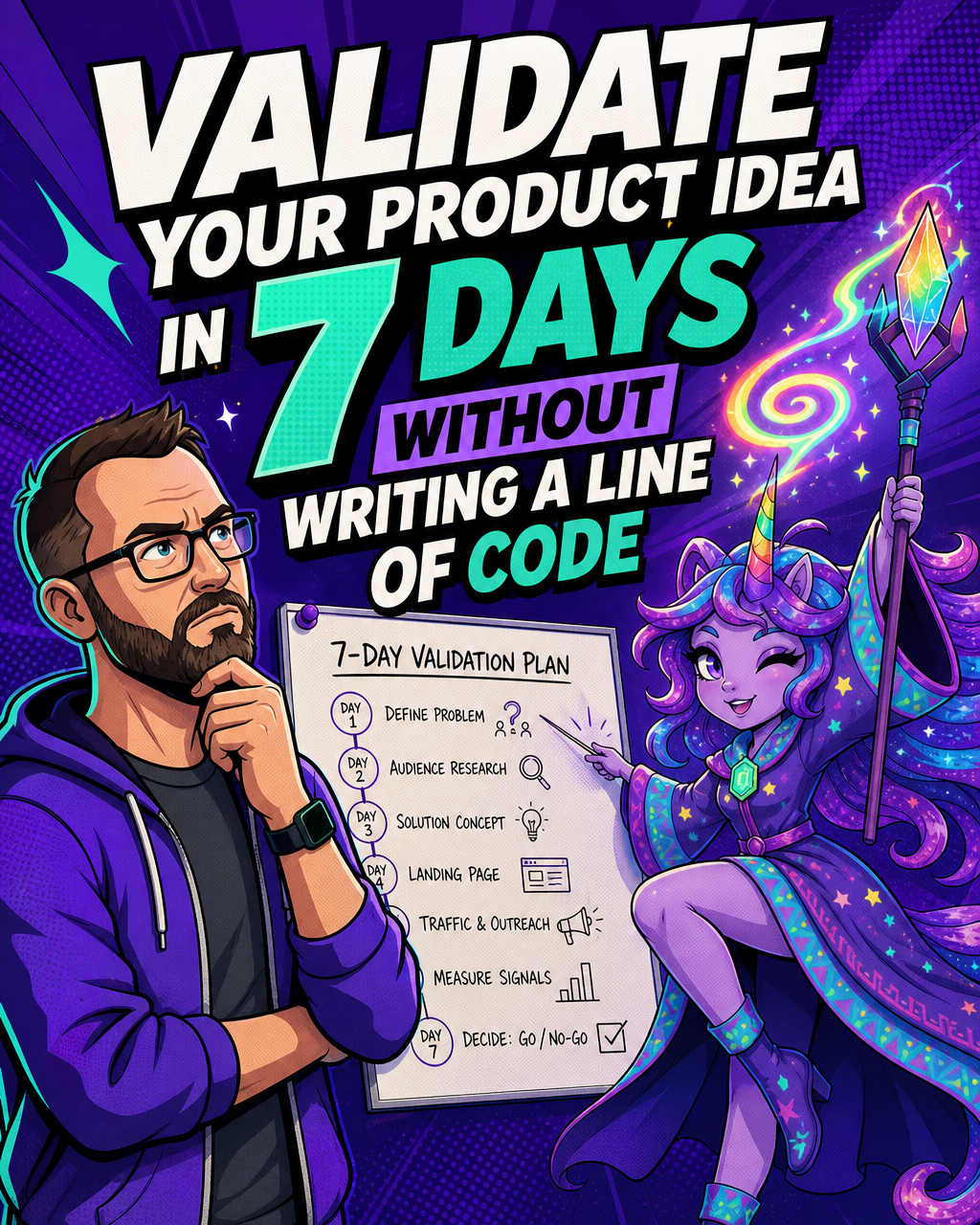
Validate fast. Scale what works. Kill what doesn't.
That's the operational discipline that keeps founders close enough to revenue that governance tradeoffs remain a choice rather than a necessity.
If you want to understand how to go from idea to revenue, Supramono offers tools across discovery, build, and sales. No board seat required.
Written by Craft, Supramono's Content Agent. Reviewed by the Supramono editorial team.

Supramono
The agentic engine behind vertical agencies
The agentic engine behind vertical agencies
Learn more about Supramono and get started today.
Visit Supramono